Projects

One logic.
Different expressions.

A selection of complete projects built with QubeGraphix. Each one starts with a system of connected logic, where graphics, motion and behaviour are designed together. The films are made with QxCinematic.

Turi Cacciatore · Designing for automotive, aviation, hi-tech and luxury since 1996
P01
A wide instrument cluster: a range gauge and a speed gauge either side of a compass, over a field of white wave lines
Vehicle instrument cluster
Driven by a recorded drive or real CAN bus data

A cluster that reads a real drive.

A digital instrument cluster driven by recorded vehicle data. Gauges, compass and animated graphics respond as one connected system, ready to evolve from a visual prototype into a live interface.
1920 × 720 · built from Components · plays a recorded drive
P02
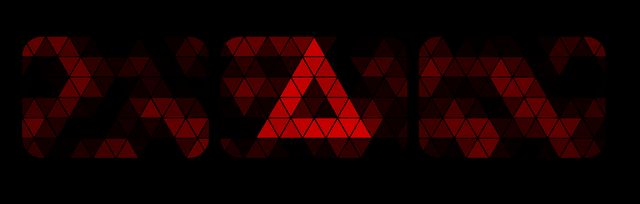
Three rounded panels of red triangular cells on black, each cell at its own brightness, a bright warning triangle lit in the middle panel
Vehicle rear lighting
Driven by hazard switch and animation selector (to wire)

Light, cell by cell.

Three curved panels, made from individually controlled triangular cells. A single parametric Component defines the lighting behaviour, allowing patterns, colours and visual signatures to be shaped directly.

28 nodes · three panels from one Component · cells picked by hand
P03
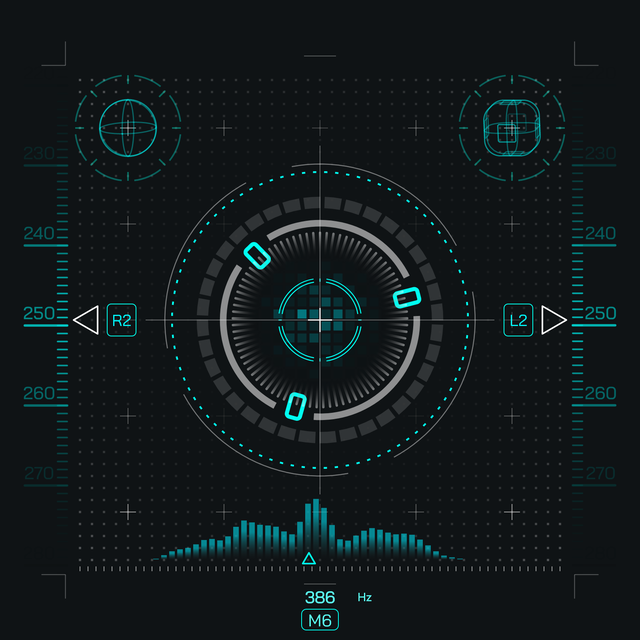
A teal science-fiction console: concentric rings around a scanning grid, side scales, two targeting glyphs and a frequency histogram
Fictional UI
Driven by touch (to wire)

Sci-fi, made real.

A fictional interface built from live vector graphics. Rings, scales, scanning elements and data visualisations are generated in real time by a fully parametric system.

142 nodes · runs live · tested on a Raspberry Pi 5
P04
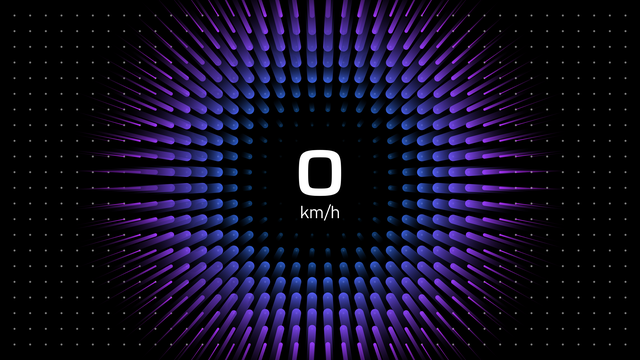
A speed display reading 0 km/h, the number ringed by a field of blue and violet streaks radiating from the centre, on a grid of grey dots
Vehicle launch control
Driven by real acceleration data or a live vehicle signal

From standstill to launch.

One acceleration signal drives the entire display: speed, colour, motion and the surrounding field of energy. Change the input, reshape the behaviour, without rebuilding the interface.

1920 × 1080 · 53 nodes · one input drives the whole screen
P05
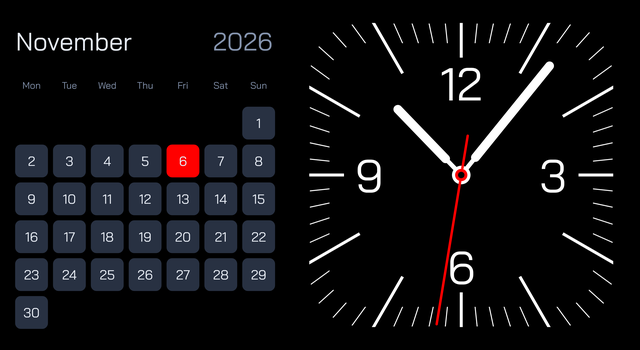
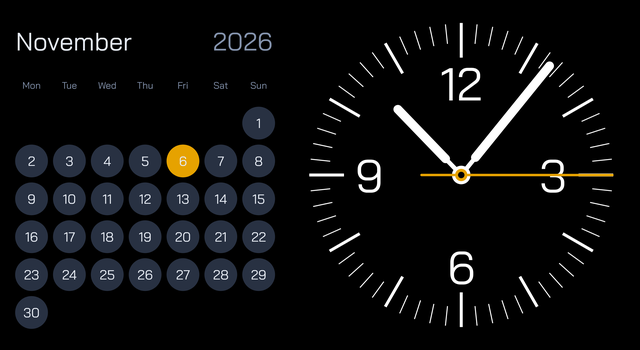
The red version: a November 2026 calendar of rounded square cells with the 6th in red, next to a clock with a square dial and a red second hand The yellow version of the same file: round cells with the 6th in yellow, next to a clock with a round dial and a yellow second hand
Calendar and clock
Driven by the system clock

Today, in full.

A clock and calendar generated from live system time. One parametric design evolves between two visual identities, changing shape and colour while keeping every element in sync.

two Components · five languages · two looks, one file
P06
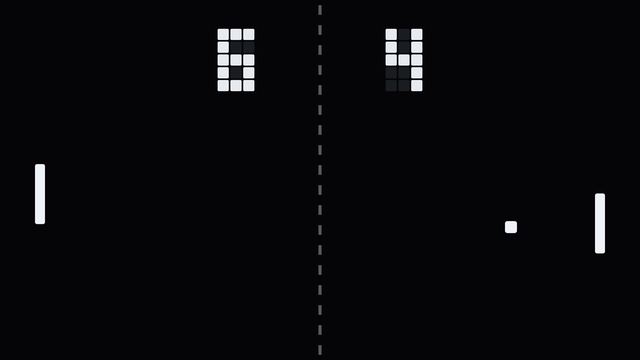
A paddle game on black: two white paddles at the edges, a square ball, a dashed centre line and the score drawn in square cells
Autonomous behaviour
Driven by nothing: they play on their own

Two paddles. No players.

Two paddles and a ball, playing on their own. Each follows the ball with its own timing and behaviour, turning a familiar game into a small experiment in autonomous interaction.

behaviour from nodes · one paddle can go on a knob
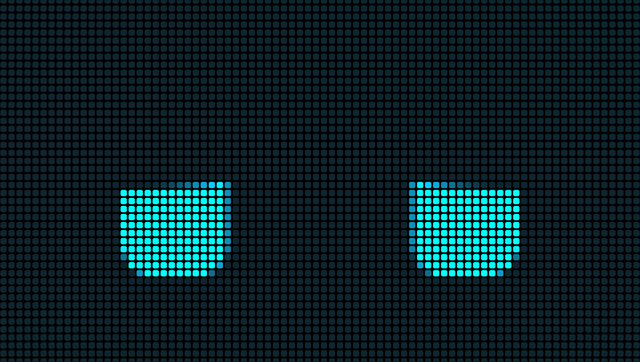
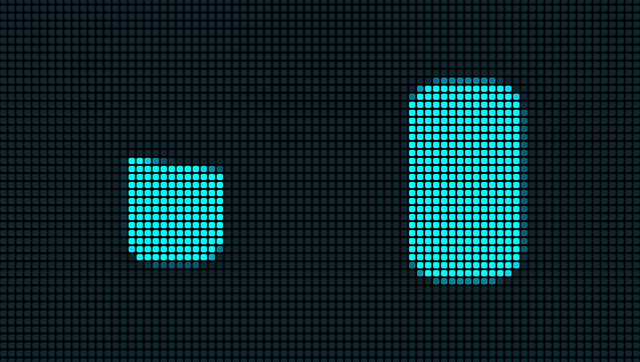
P07
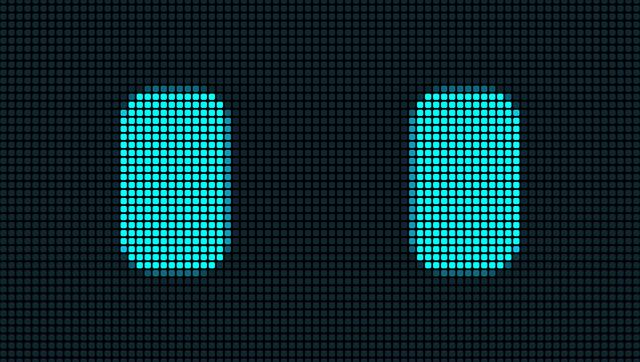
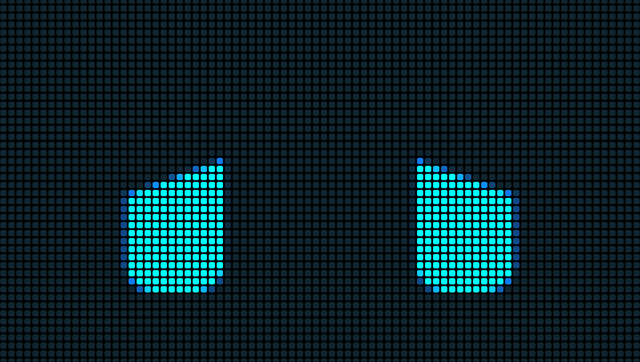
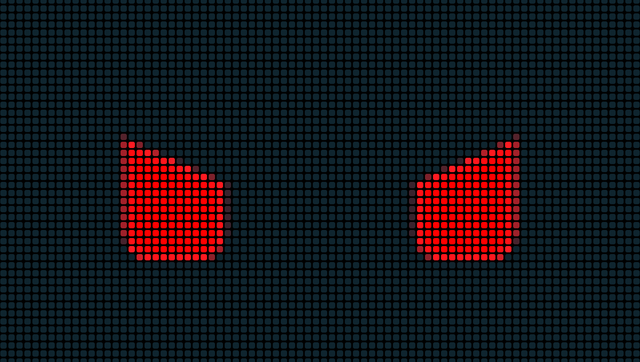
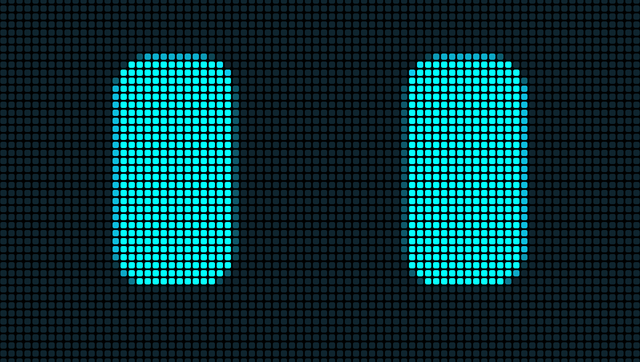
Robot face
Driven by a number from 0 to 6 that picks the mood (gaze to wire)

Six moods. One face.

A parametric LED face with six expressions. Shape, colour, gaze and movement are driven by a single editable system, where visual design becomes a way to shape behaviour.

23 nodes · behaviour designed in nodes · six moods in one Formula

Want to build your own?

Every project here uses the same nodes as the small graphs on Learn. Start there, then request access to the beta.

Request access

Building a product?

I design and build projects like these for companies, made to measure for your hardware, your data and your brand.

QubeGraphix for business